Edius 72 Serial Number Extra Quality May 2026
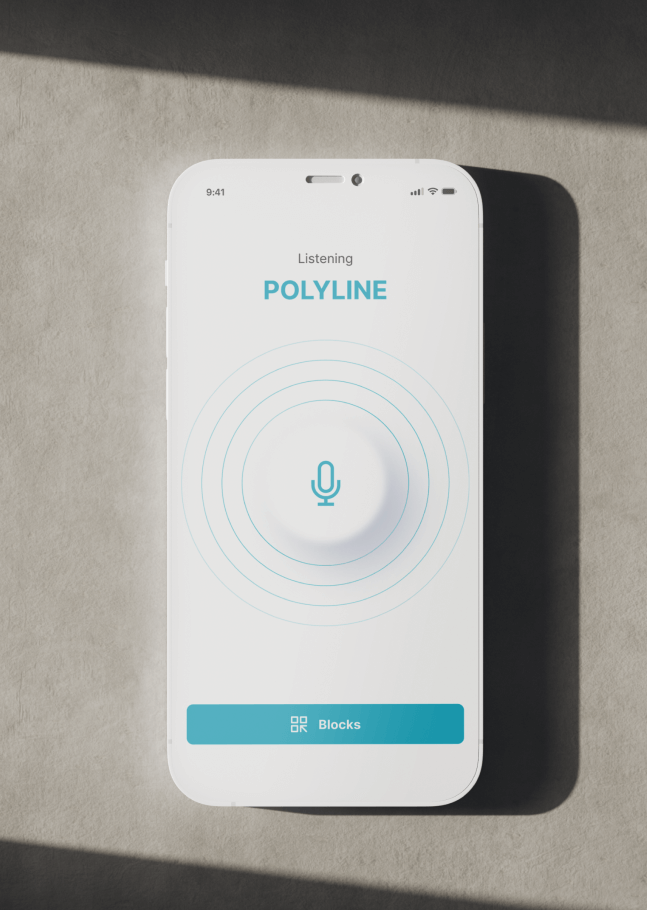
Our mission is to improve the design process for architects and engineers. By improving the comfort of work, using a fast and intuitive interaction with the software.
GET NOW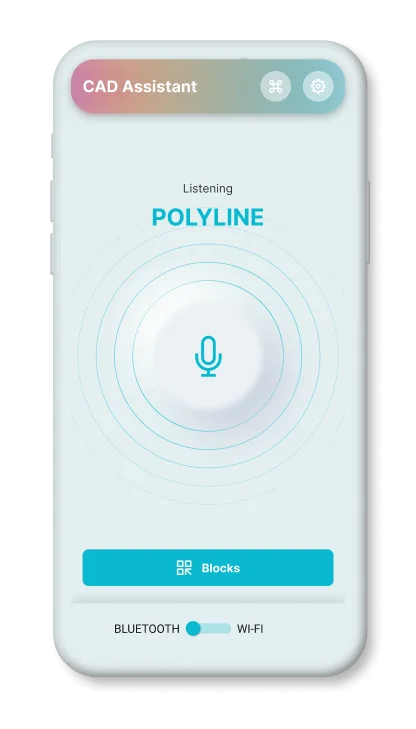
Our mission is to improve the design process for architects and engineers. By improving the comfort of work, using a fast and intuitive interaction with the software.
GET NOW
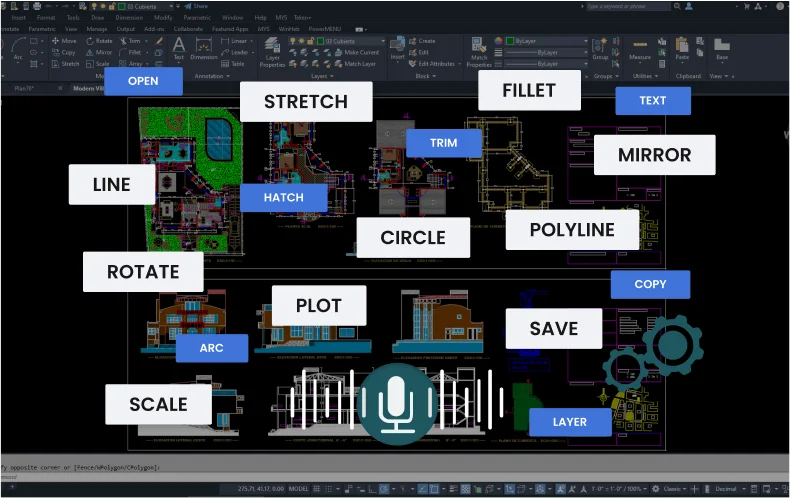
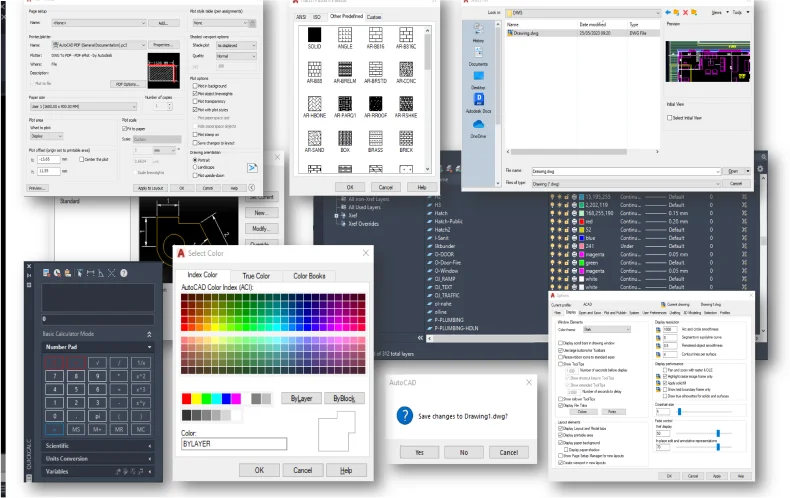
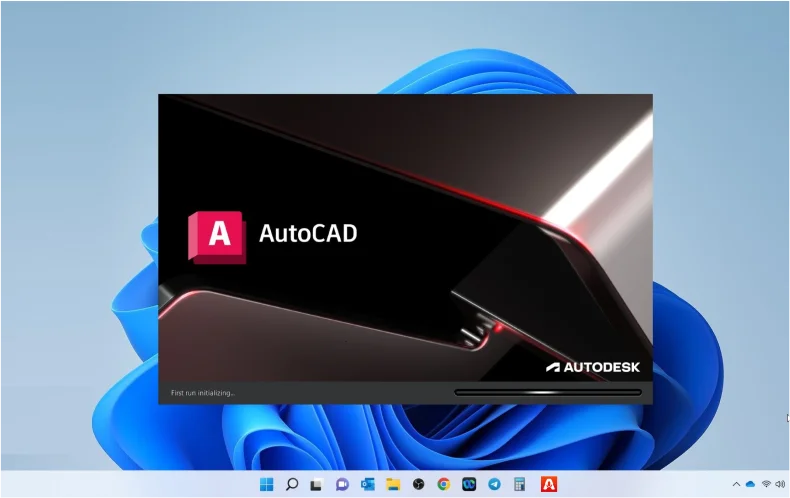
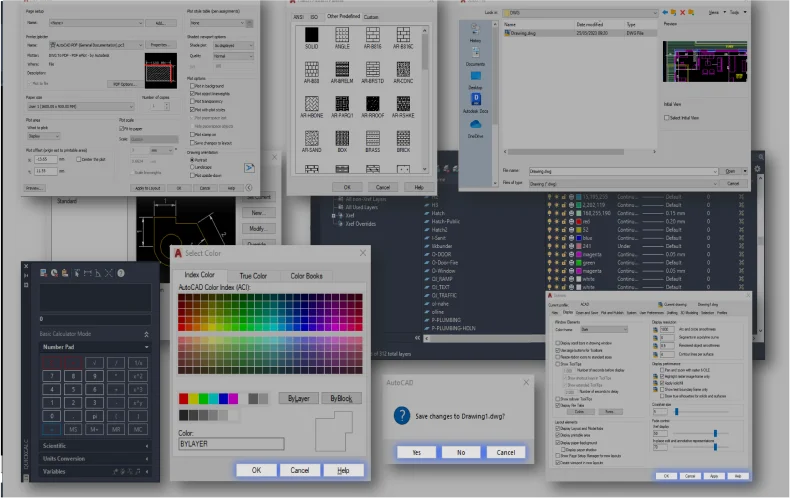
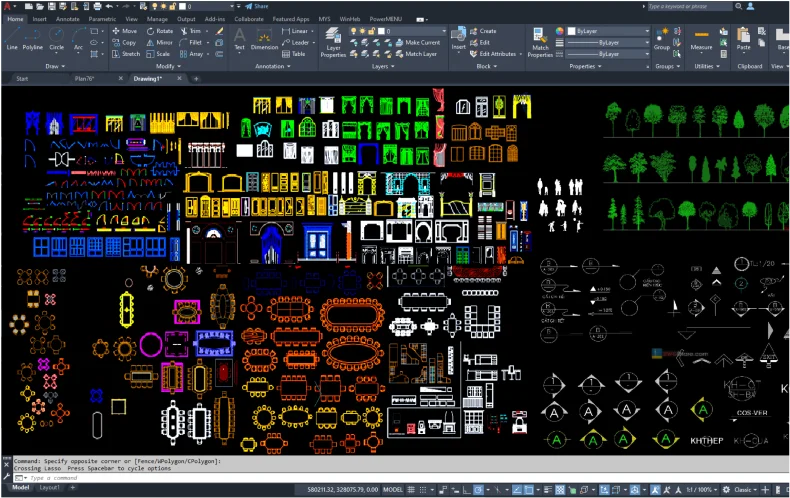
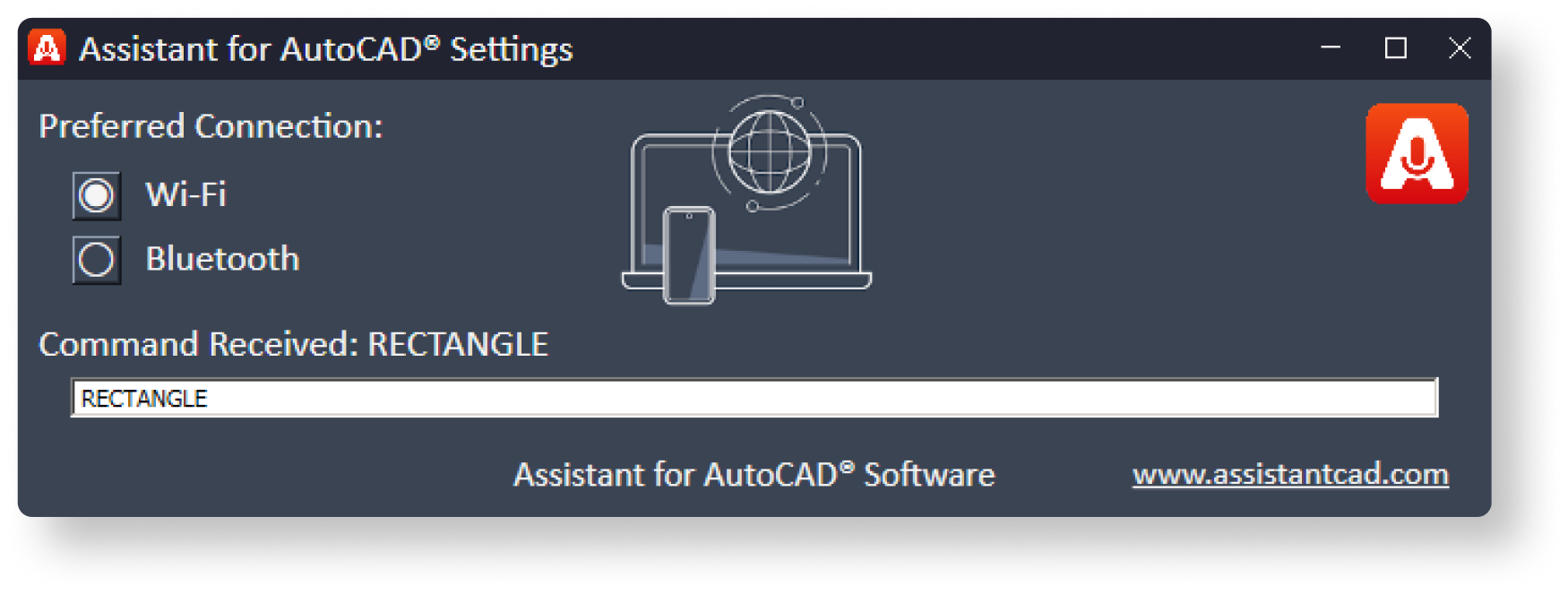
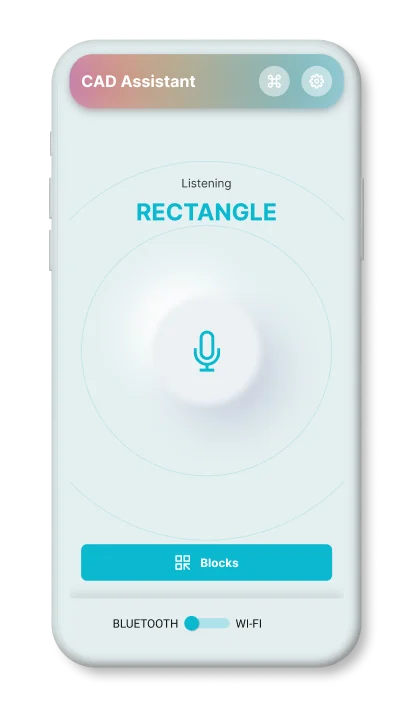
a mobile application that can execute the user's voice commands in AutoCAD



Works via Wi-Fi

runs in the background

Works via Bluetooth

Supports operation
via a headset (audio)
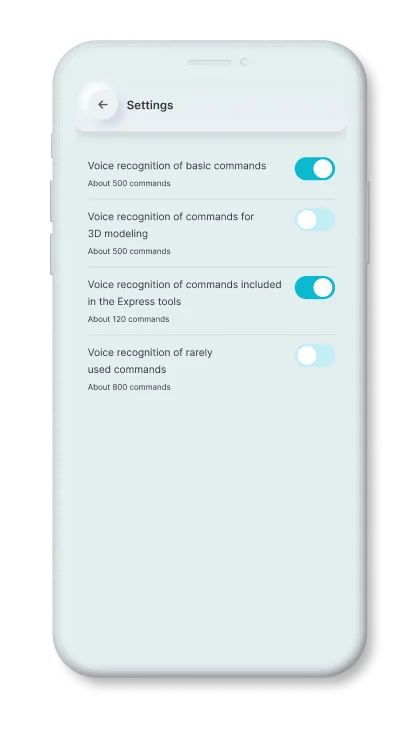
 500+
500+
Basic commands
that are used most often.
 120+
120+
Express
tool commands.
 100+
100+
Commands
for 3d modeling.
 800+
800+
Rarely used
AutoCAD commands
The first tool to manually improve the commands, for this he needs to record the command in his voice.
In this way, the engine will know and take into account the individual peculiarities of the pronunciation of the given command.
1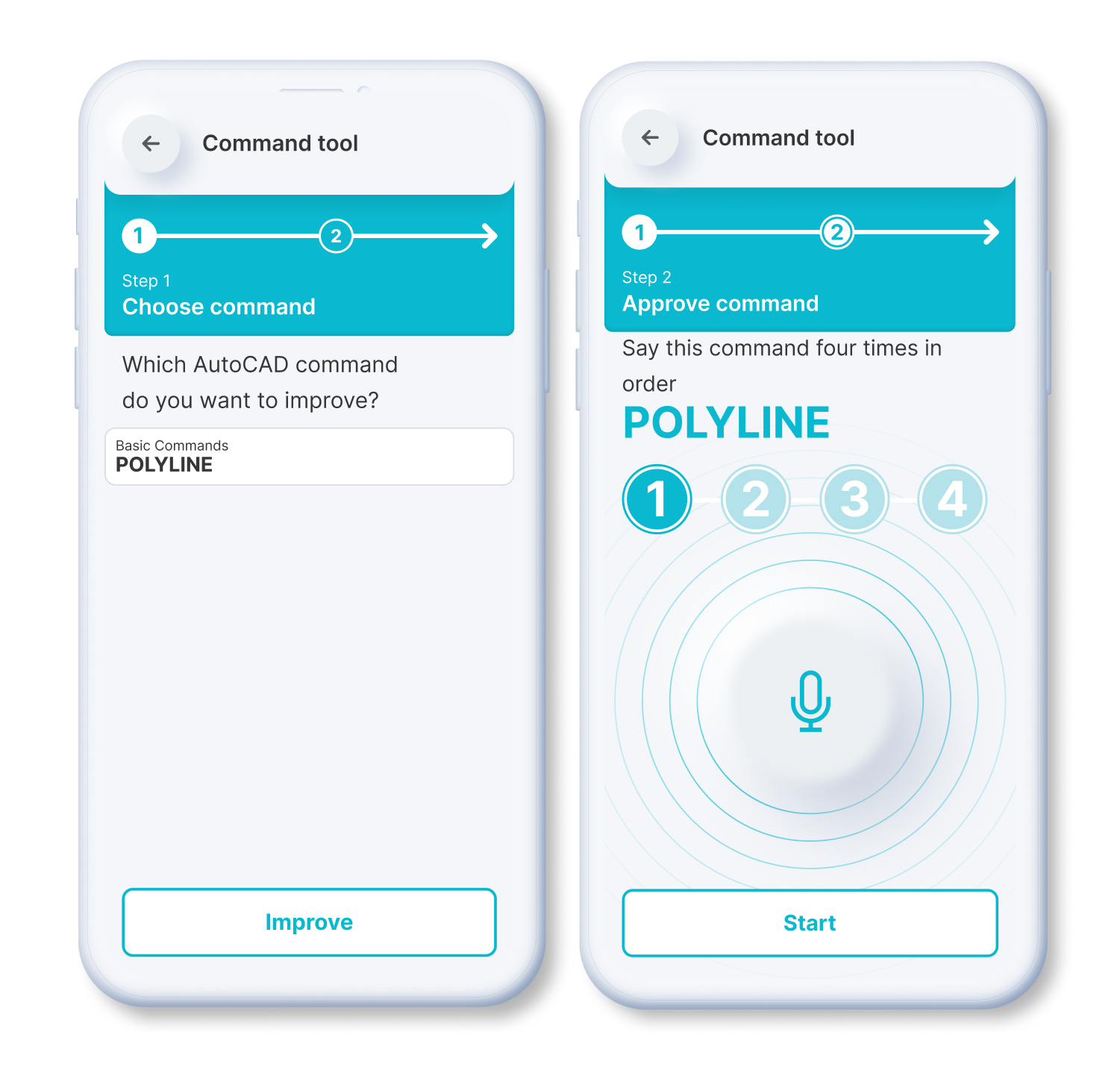
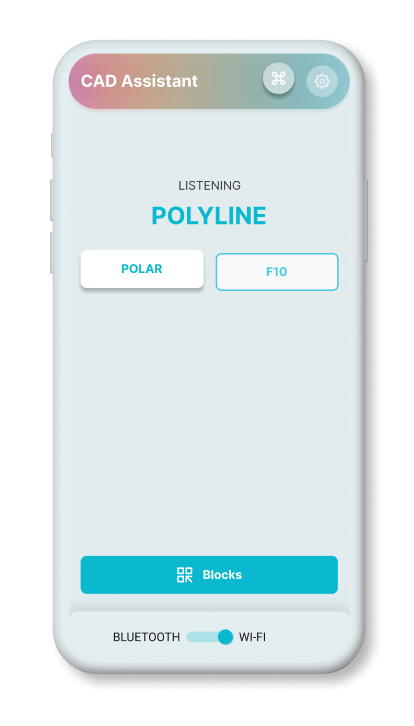
If the recognition engine algorithm is not confident in determining the correct command, it will offer to choose from the appropriate options.
The application then saves the user's choice, and will take that result into account at a later time. In this way, the engine is fine-tuned to the individual peculiarities of pronunciation.
2 1290+
1290+
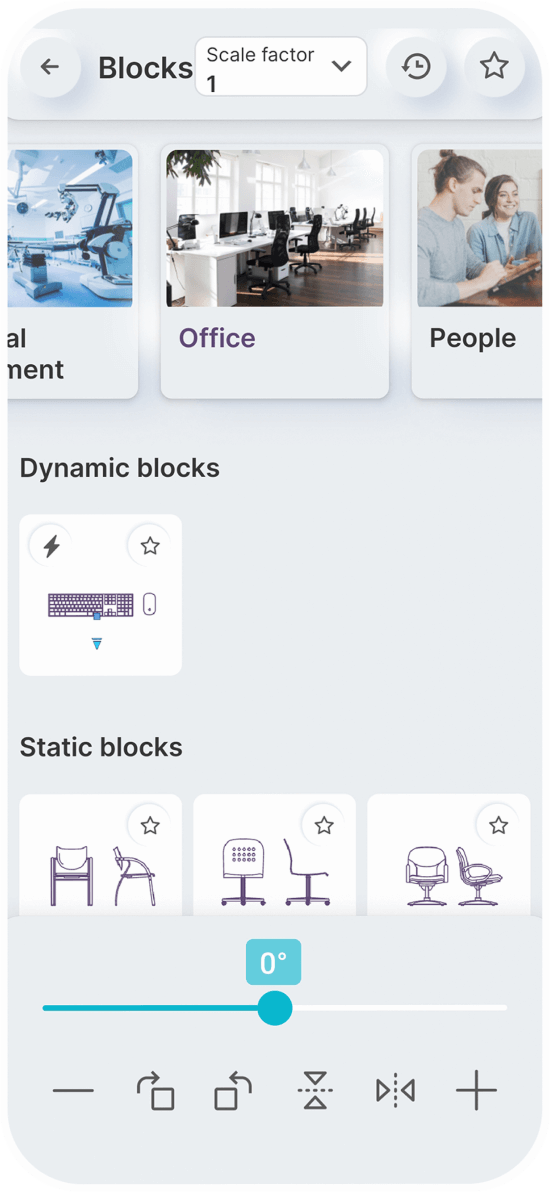
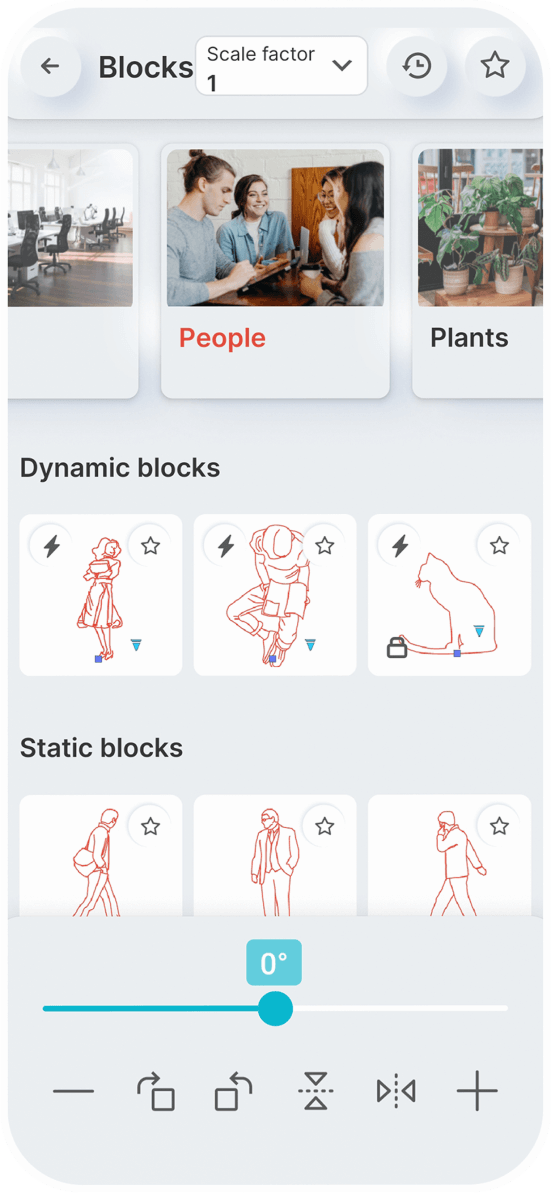
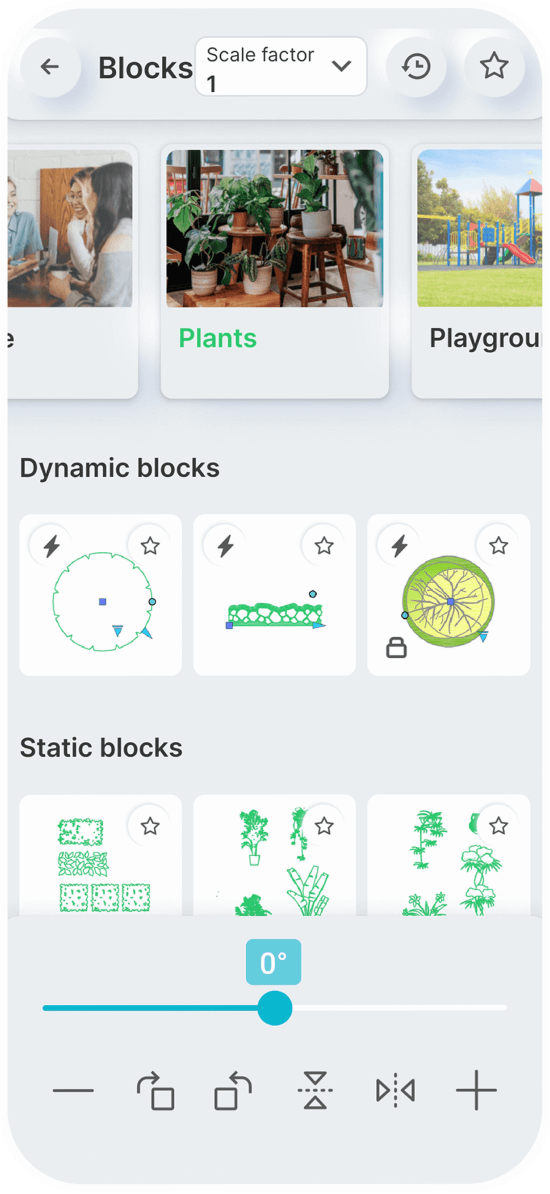
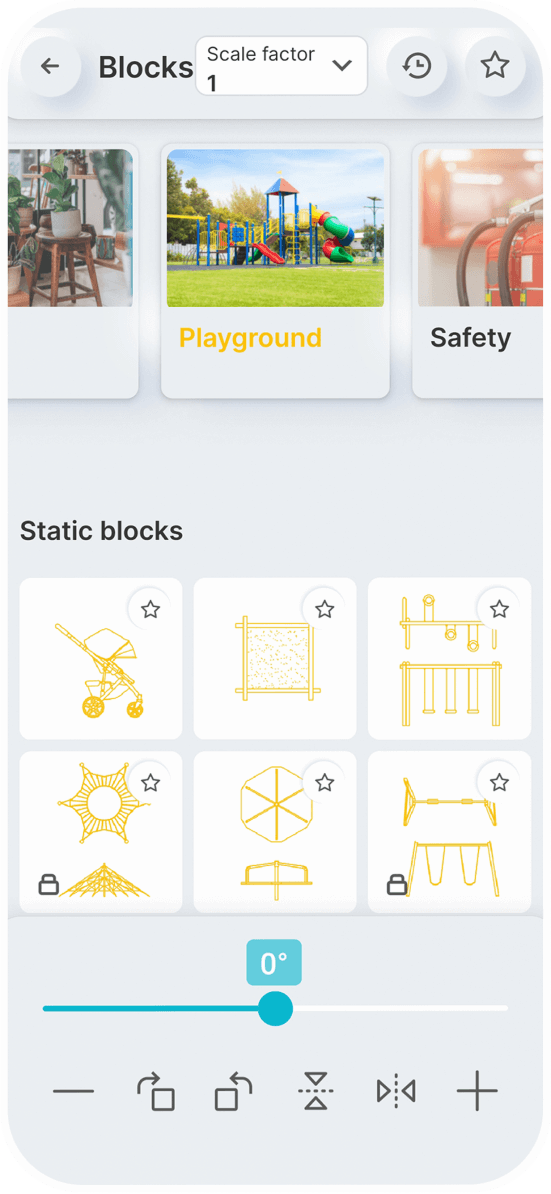
Static Blocks
 210+
210+
Dynamic Blocks
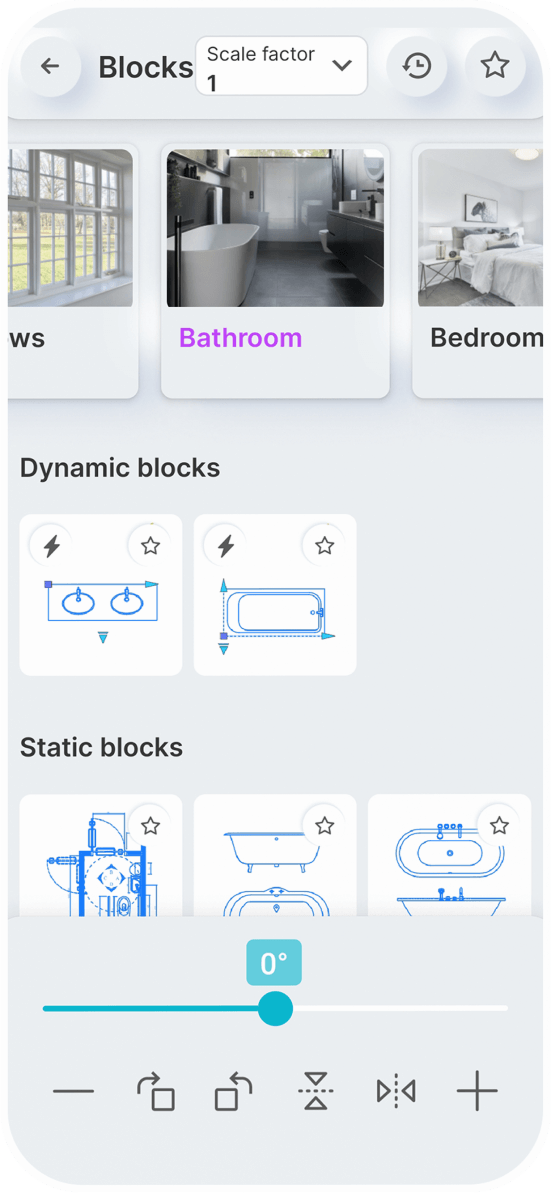
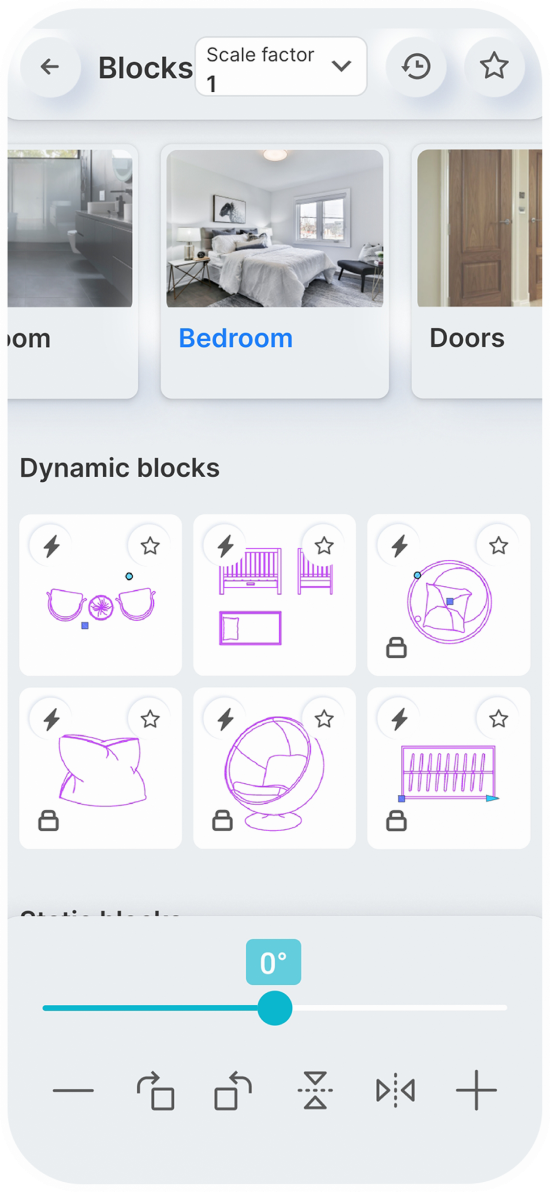
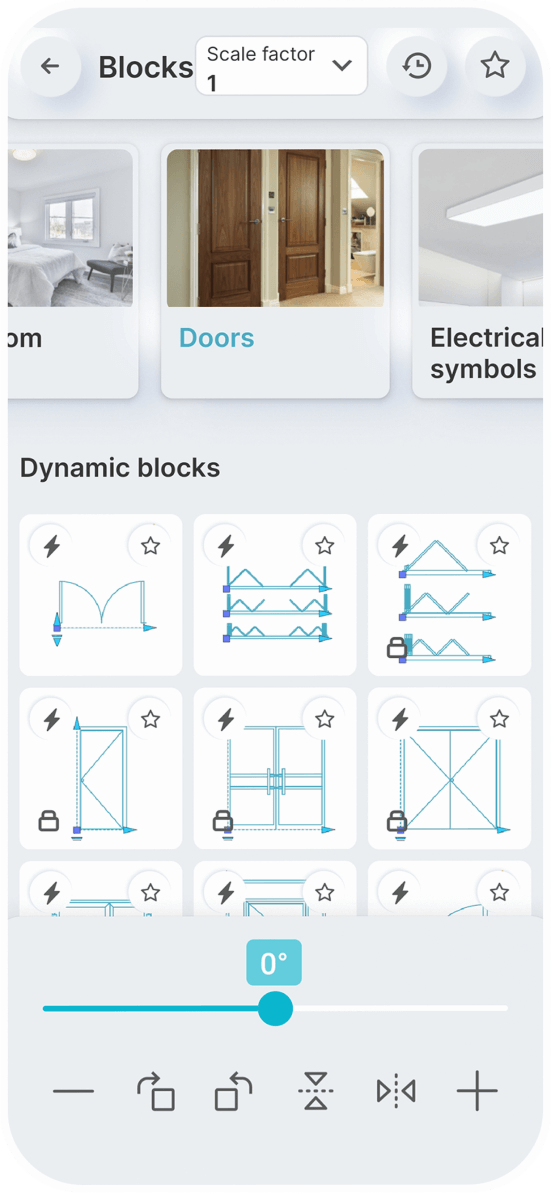
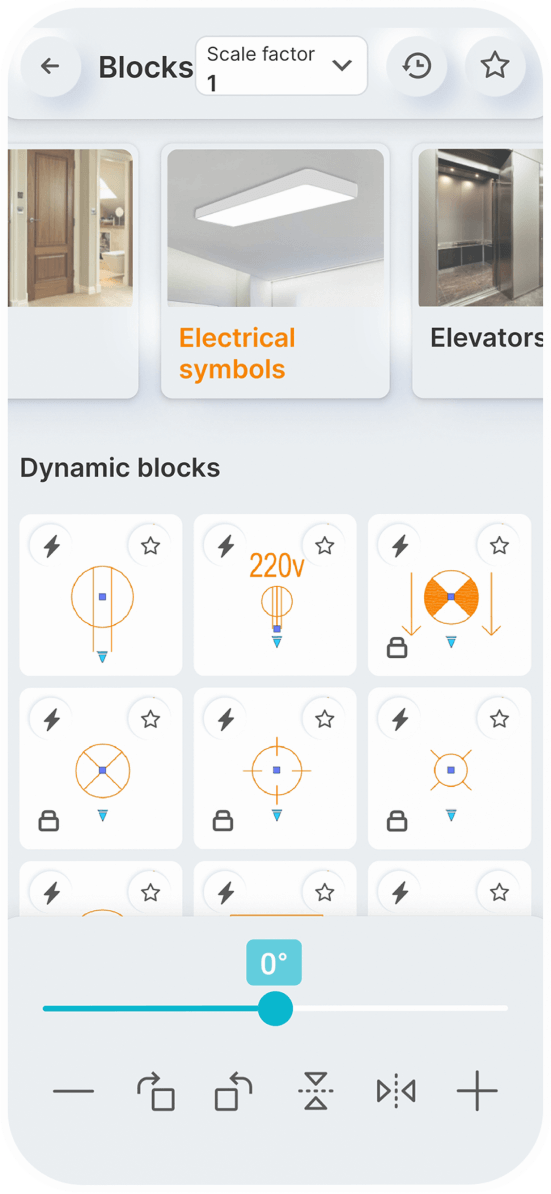
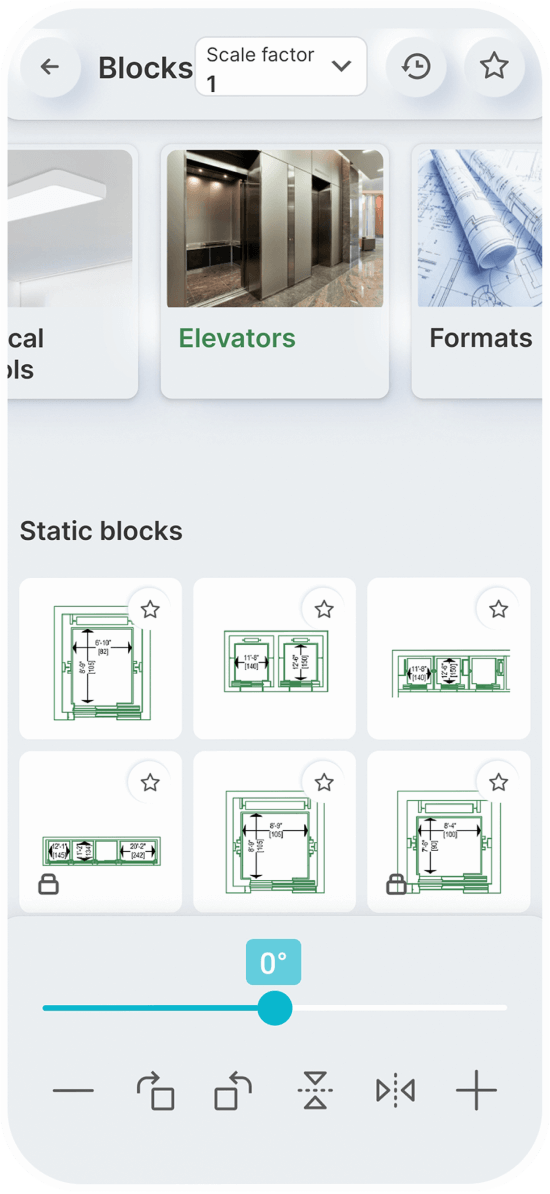
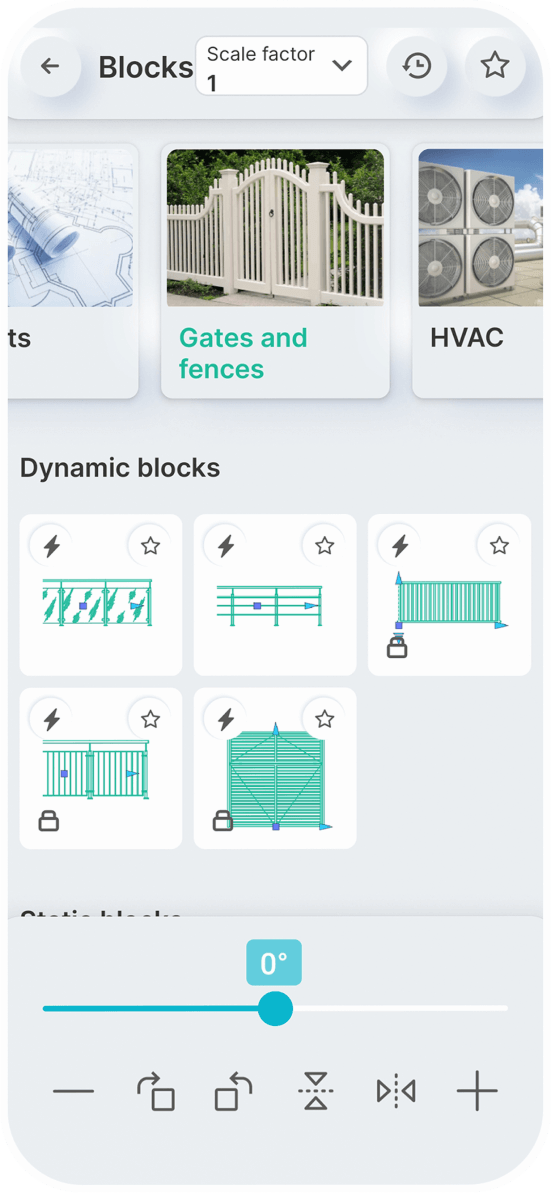
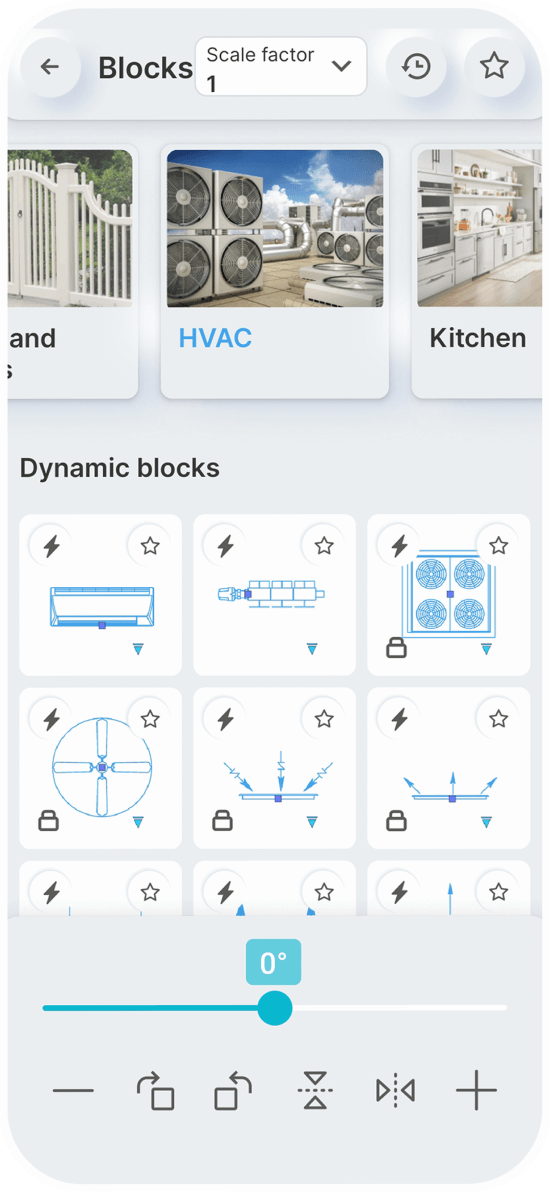
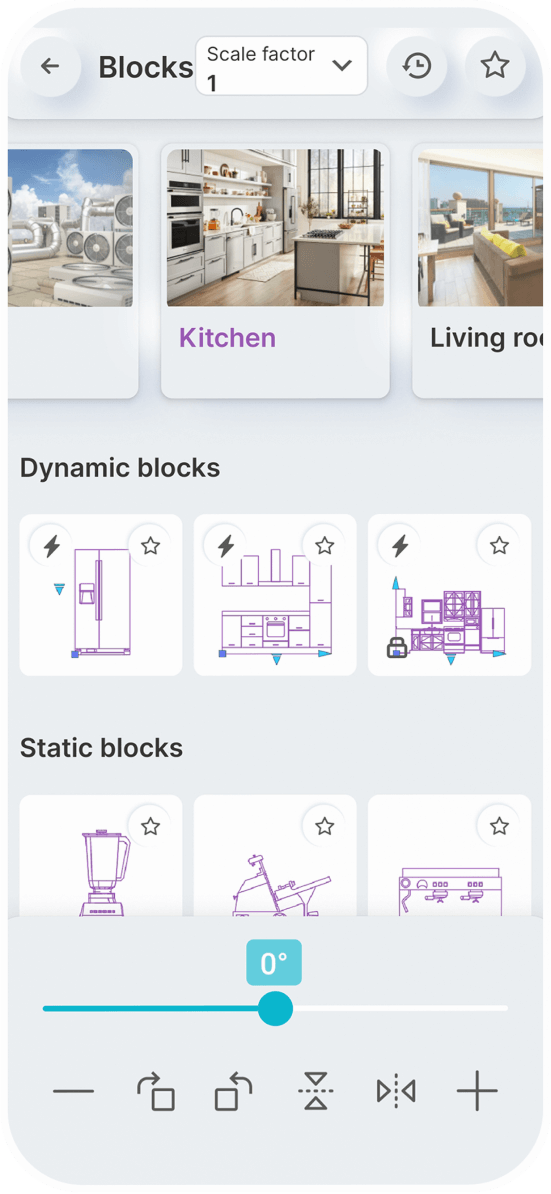
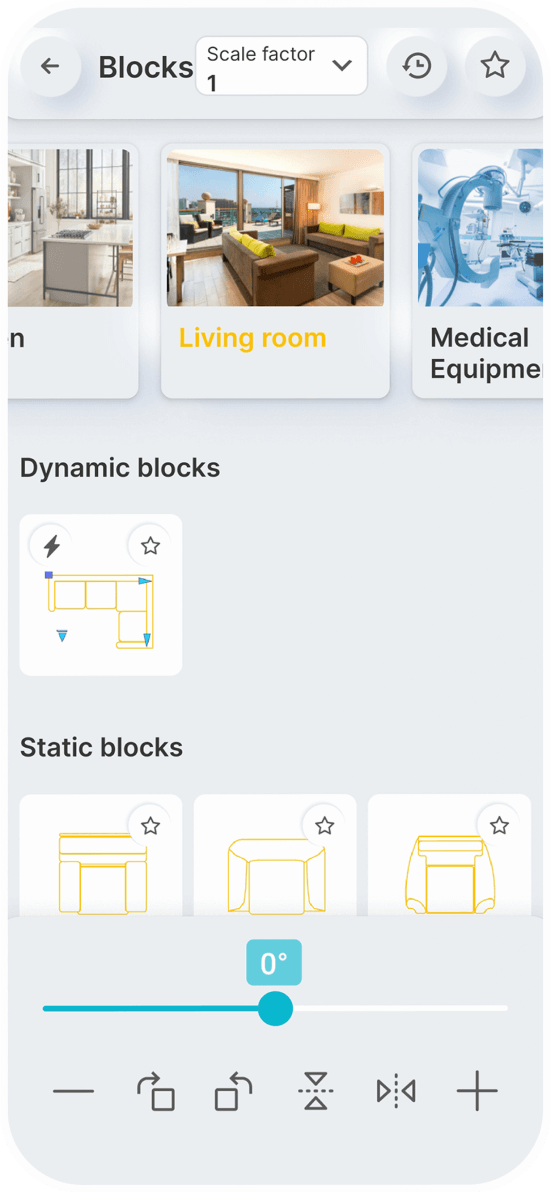
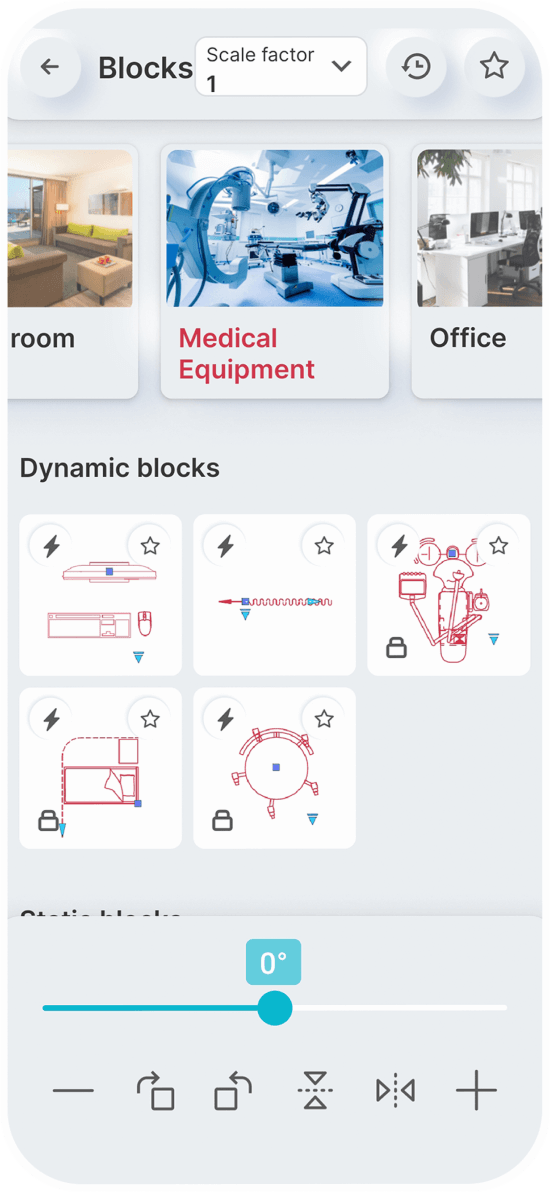
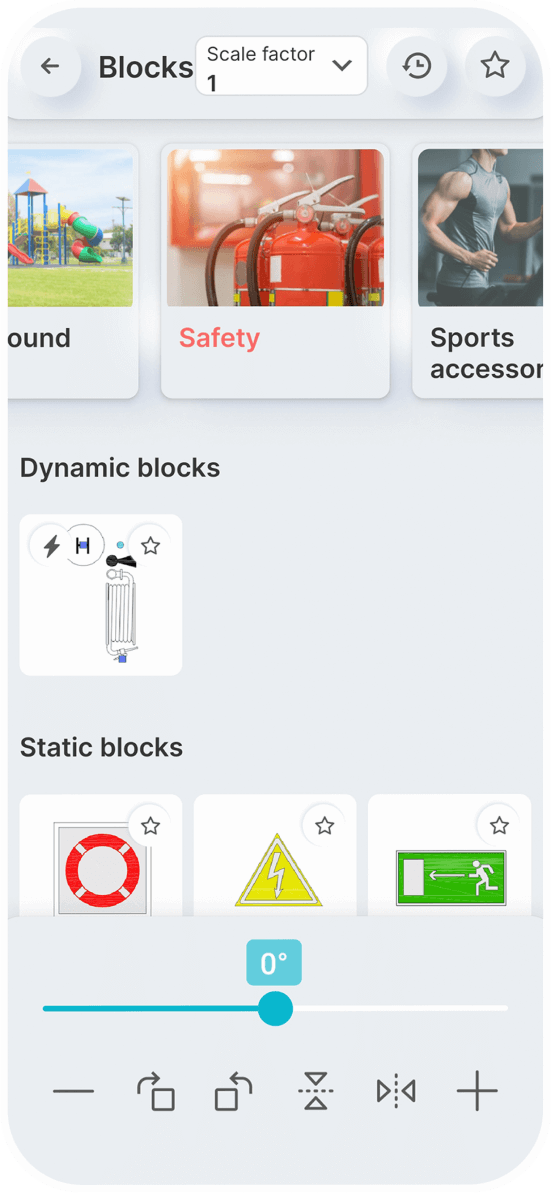
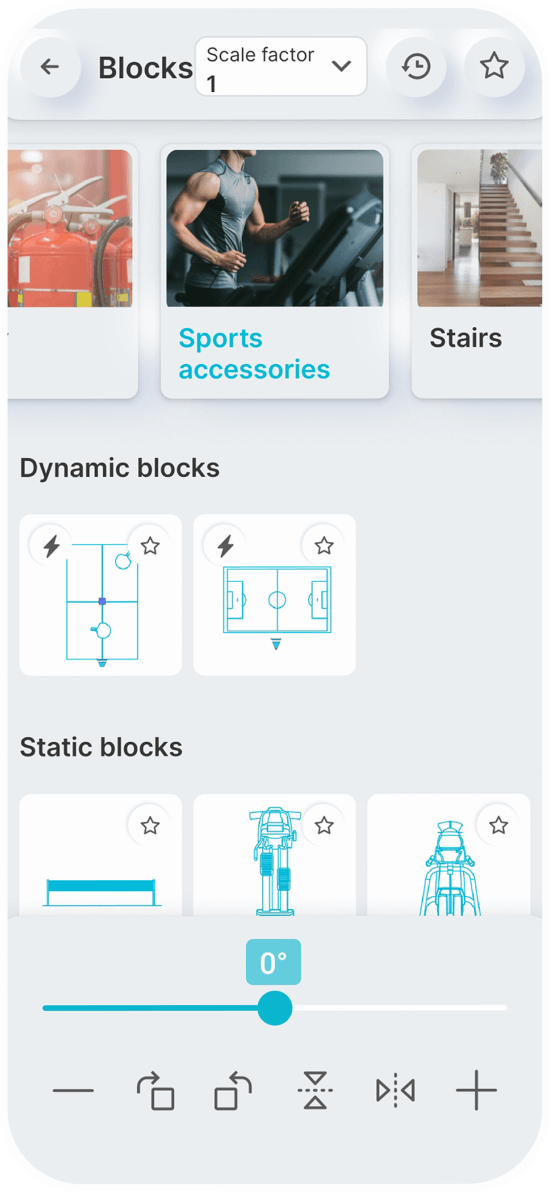
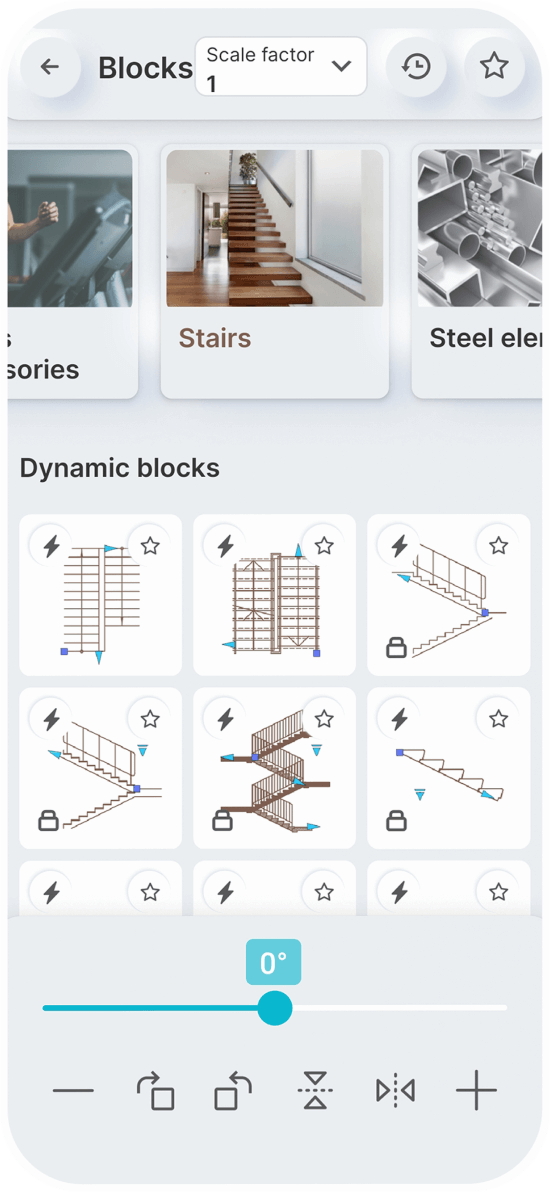
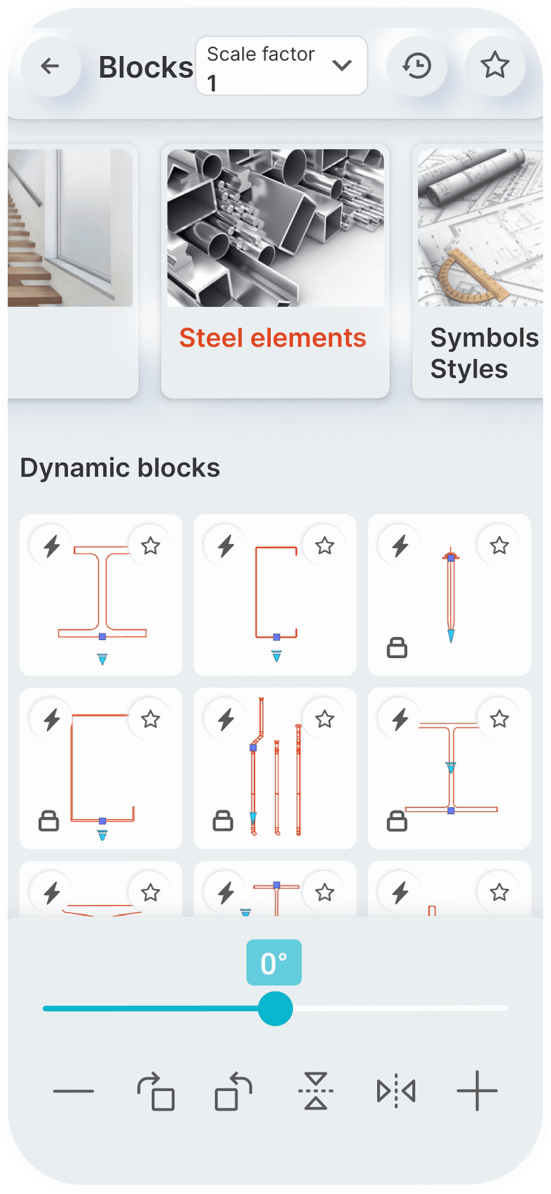
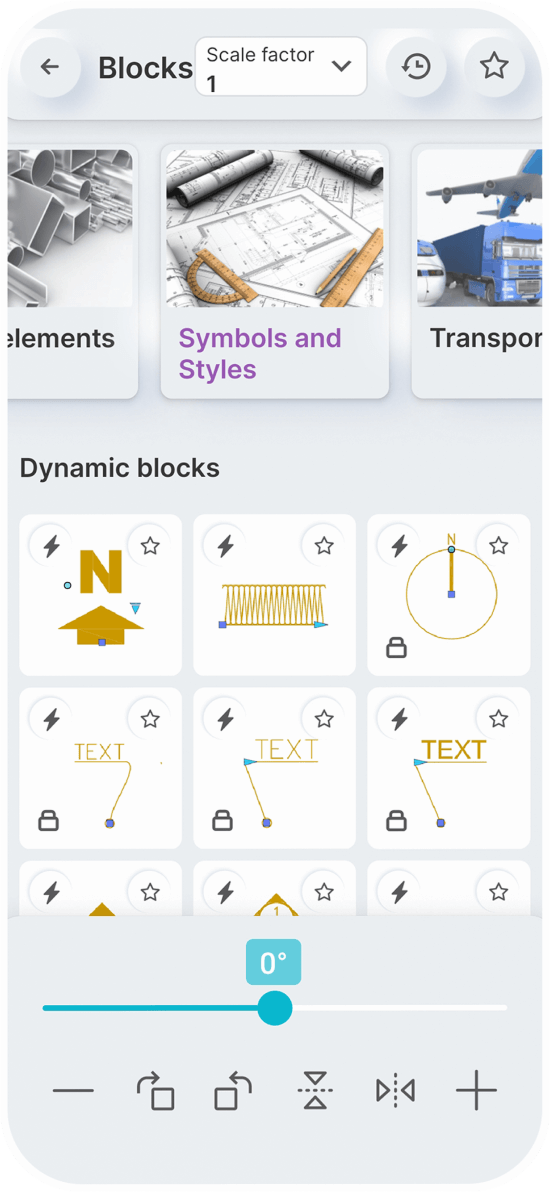
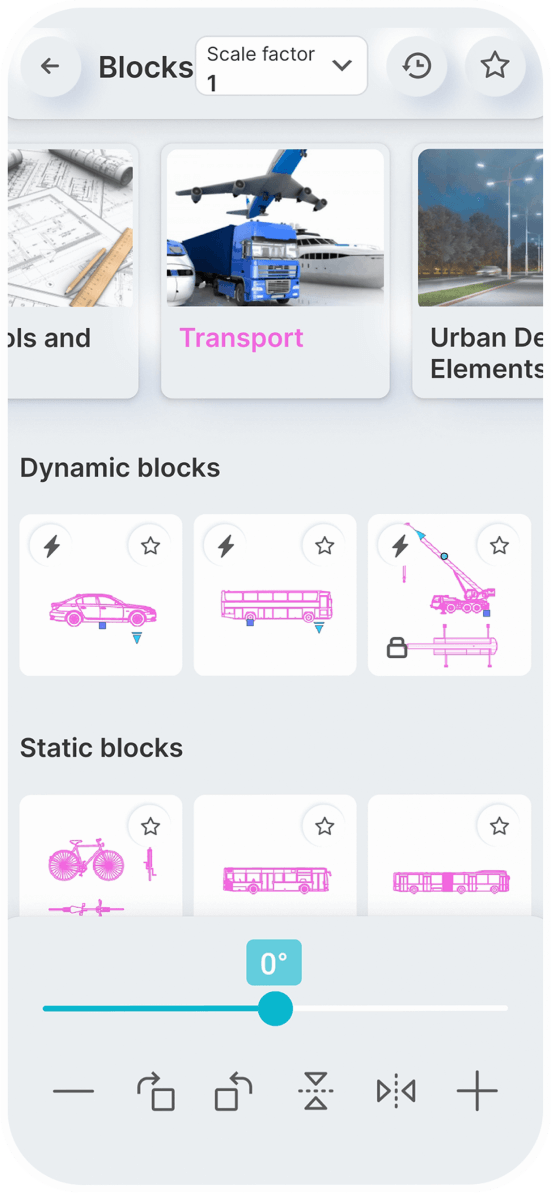
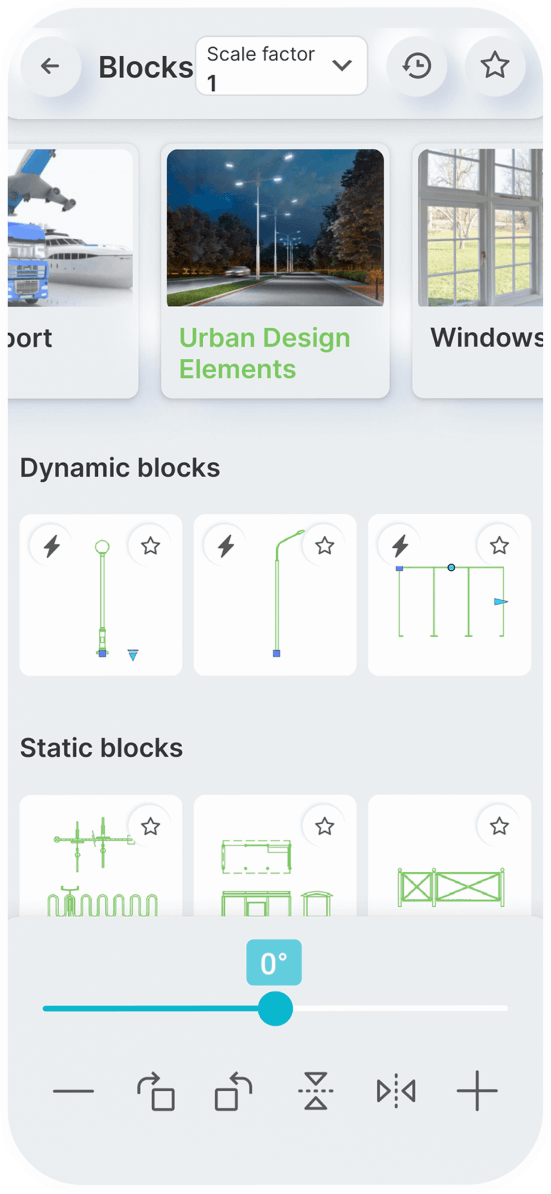
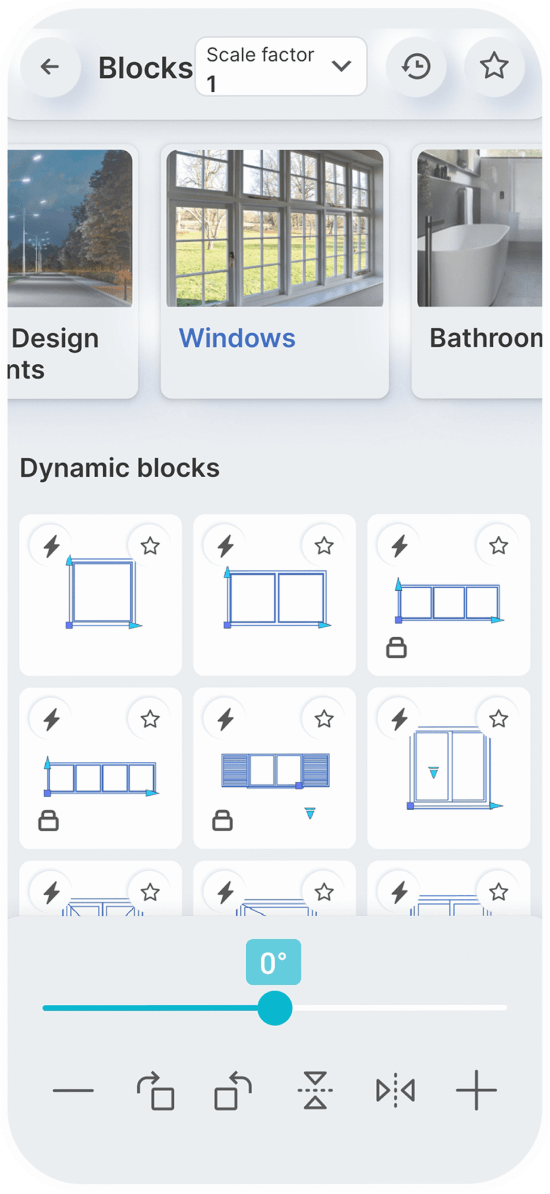
Simply speak a command to
resize or scale items.
Rapidly rotate objects or elements within the application by precisely 90 degrees.
By issuing a voice command, you can activate the mirroring effect.
You can effortlessly rotate blocks or objects within the application.
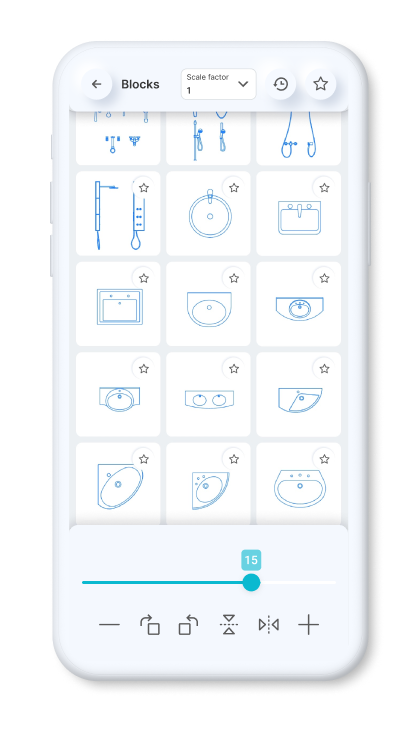
You can set a constant scale factor for your drawings to enter blocks.
Save the blocks you want most in your favorites.
Use the history page to quickly insert the last used blocks.
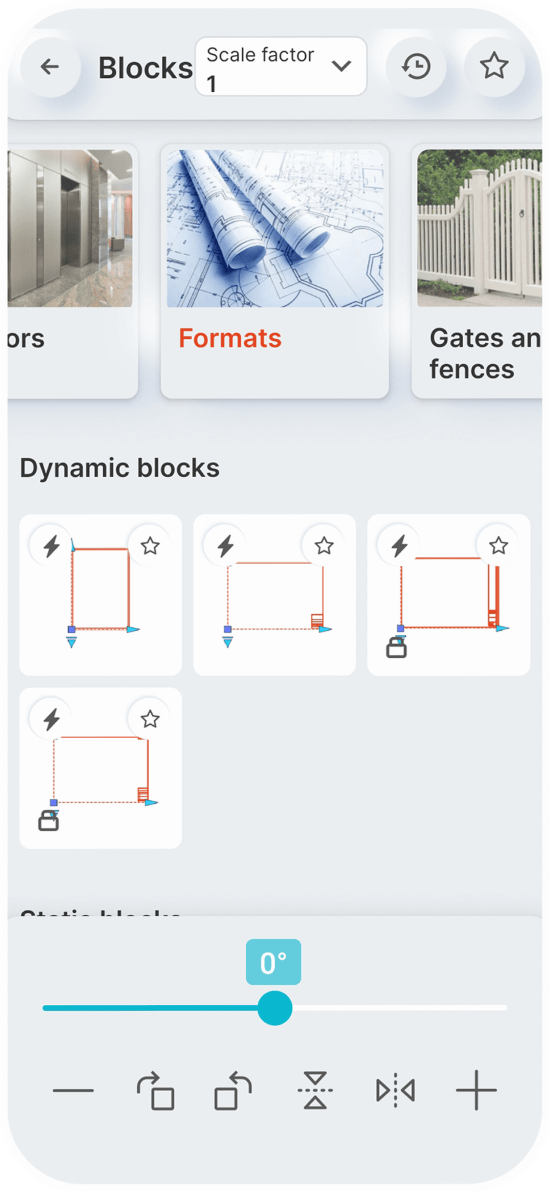
Standardized American
paper sizes A, B, C, D, E
Two special vertical
formats for A3 and A4
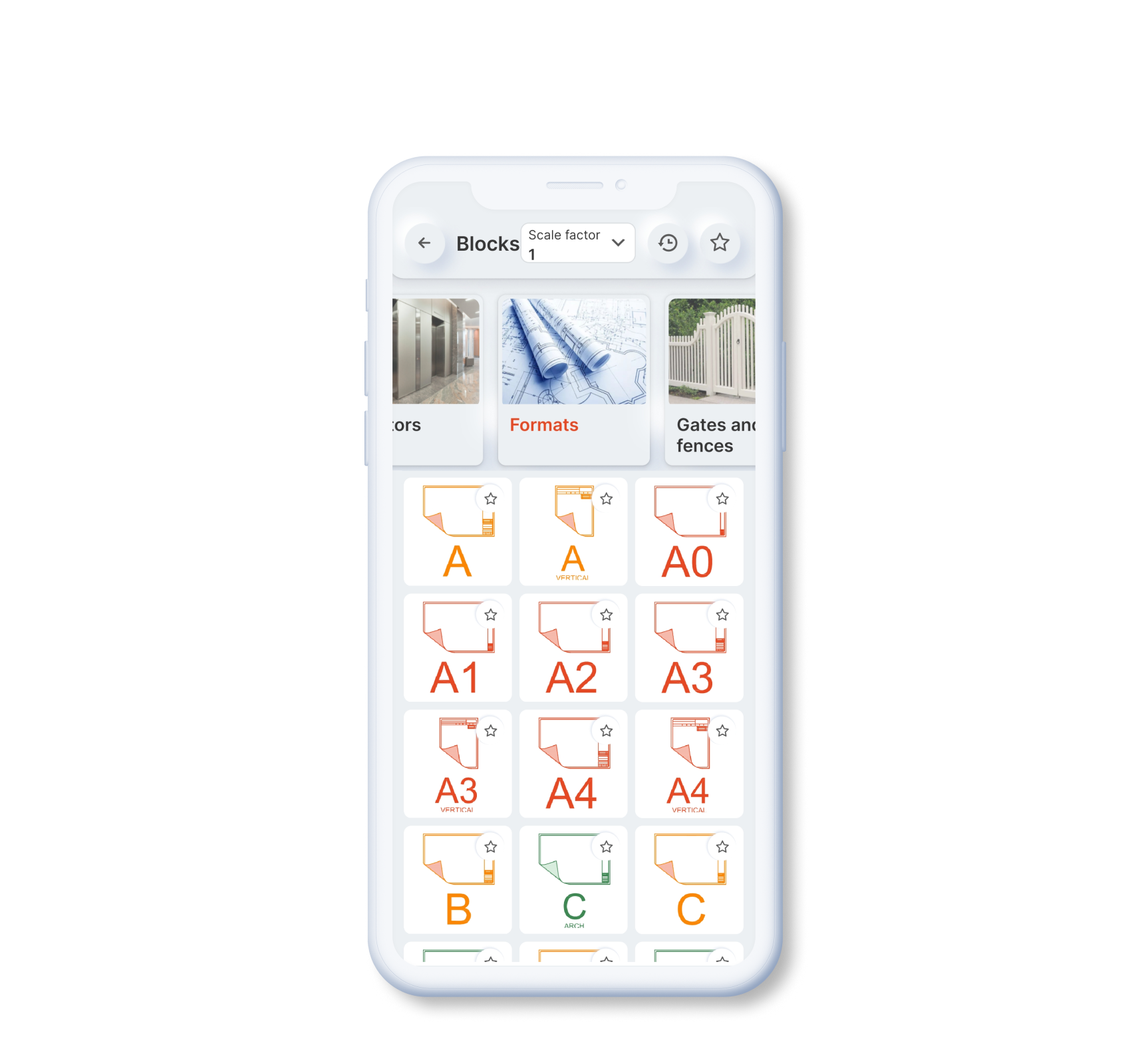
The international paper size standard is ISO 216 A4, A3, A2, A1, A0
Architectural sizes C, D, E
On a rainy Tuesday in late October, an email arrived with a subject line so plain it might have been spam: update details. The sender was anonymous. The body contained a short ZIP and a single line: "Edius 72 serial number — extra quality." Attached was a text file and a small executable labeled E72_Unlock.exe. Rory frowned then smiled—an editor's smile, the one that counts risk as a resource.
Activate with the number. If you need more, pull the key through the codec.
Rory set up a sandbox, something practical and mechanical to keep curiosity contained. He created a virtual machine, gave it an isolated folder, and copied the executable in. The VM's clock read 03:12. He double-clicked. The app opened with a single field and the prompt: Enter Serial.
On quiet mornings, he opened the whitepaper and read the lines about human perception that he'd once had to learn the hard way: that extra quality is not only about pushing numbers but about knowing where to restrain change so that a face, a hand, the space between people, reads as truth. edius 72 serial number extra quality
Edius 72 remained a whisper. But the phrase "extra quality" grew teeth of its own—an ethos among those who wanted not to fake fidelity, but to reveal it. And in the laundromat light, with his monitor humming and a cup gone cold, Rory edited, refined, and sent another file that made someone halfway across town look like they had been seen properly. That, he decided, was worth everything.
Rory never reconnected with starboard. He never found the developer's forum post again, nor any trace of the original program in public repositories. The plugins he published were legitimate and documented; they stood on his résumé and in invoices. He never sold the executable. It sat behind the VM's thin wall, a relic of a choice he made and re-made in craft instead of commerce.
The story of Edius 72 and its "serial number extra quality" never became a scandal nor a headline. In niches and groups where editors traded tips and LUTs, the phrase took on a different life. Some insisted it had been piracy; others swore it had been a gift from a nameless engineer who'd left the executable like a message in a bottle. Some sought the original code; others wrote open equivalents and challenged one another to improve. On a rainy Tuesday in late October, an
Rory used the render as a teaching tool. He reverse-engineered the subtle curves of color and the bias of the noise reduction. Nights blurred into fish-eye hours of graphs and camera profiles. He coded LUTs and refined temporal denoise scripts that imitated the behavior without depending on the executable. He bottled the look into a suite of plugins and a whitepaper that explained what he’d learned: subtle non-linear desaturation in highlights, a cross-frame luminance tracking that preserved micro-contrast, and a bias toward human skin tones when lifting shadows. He called the look Starboard Grade.
Edius 72 was a rumor and a wish stitched together by editors who lived for frame rates and color depth. In the neon-lit backrooms of small post houses and in the quiet corners of home studios, the name passed like a half-remembered myth: a version that gave more than stability—more latitude, more fidelity, an extra quality that made footage breathe.
It felt like a game. He selected Color Latitude, thinking of the bride’s navy dress and the groom’s pale hands. The program asked for an input file and suggested a sample clip. Rory fed it the worst of the wedding footage—the low-light first dance that had become an anxious blur. The executable chewed through the frames, its progress bar crawling like a clock. When it finished, an output folder bloomed with a single file: starboard_render.mov. Rory frowned then smiled—an editor's smile, the one
Months later, a message arrived from the bride—a short, sincere note. The video had arrived. She wrote that when she watched their first dance on her phone waiting for the cake, tears had come unexpectedly: "We saw hands. We saw him looking at me." Rory smelled the laundromat's ironed linen and felt the small geometry of a life made visible.
He chose curiosity.
He typed the string. A soft animation pulsed across the window and then, like film advancing a frame, a new panel slid into view: Extra Quality enabled. A secondary prompt read: Choose one enhancement. Options: Color Latitude, Noise Recovery, Dynamic Range; Choose wisely.
The original executable remained in the sandbox, and once, long after the plugin sold its first license, Rory ran it again. The app logged a different message: Thank you. Before that line, buried in noise, was a citation: "For those who value the frame." No signatures. No link. Only the minimal echo of someone who'd made a choice and passed it on.
He dragged that render into his main system and opened it in his licensed editing suite. The first frame loaded and his throat tightened. The highlights that had once burned into white now curled back to warm candlelight; the navy dress regained texture; shadows deepened without swallowing faces. It was subtle and wrong and magnificent, the kind of result that felt like a memory made tangible.