Highly Compressed Windows 7 Iso File May 2026
Highly Compressed Windows 7 Iso File May 2026
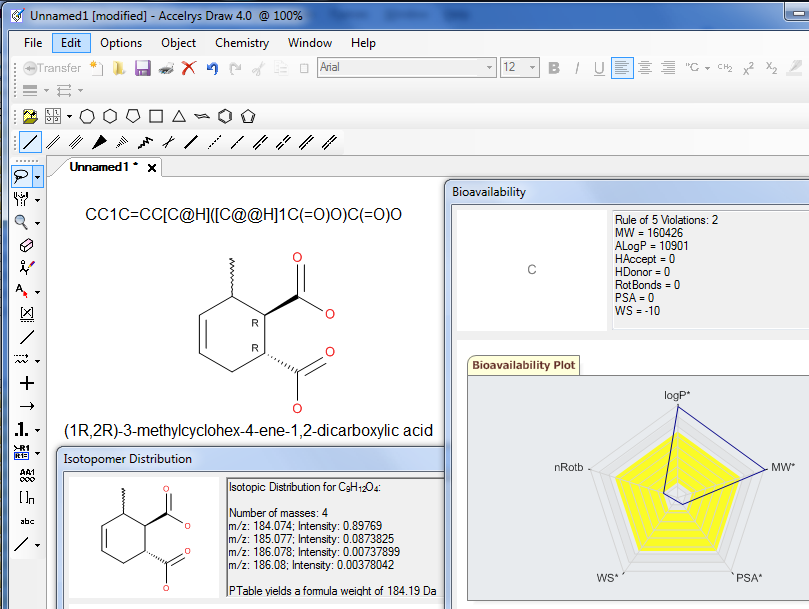 |
With the
same look-and-feel as ISIS/Draw, Accelrys Draw delivers speed and
efficiency to your chemical drawing experience.
Accelrys Draw can easily swap out existing ISIS/Draw or ChemDraw applications. |
|
Highly Compressed Windows 7 Iso File May 2026Click here for more details about Rgroups, an example, and a detailed procedure how to draw a Markush query. To draw a Markush query:
|
|
|
| Generic Structure
Enumerator The enumerator works against structures defined using the Rgroup tool in Accelrys Draw. In this mode you specify a scaffold with a number of Rgroup labels, then to add fragments to the Rgroup identifiers. The Add-in will calculate the complete set of structures that the Rgroups define. You can also define a generic region using the Sgroup tool. Draw the basic structure and using the Sgroup tool, drag a pair of brackets around a region that is repeated in the substance. From the dropdown select ‘generic’ for the bracket type, then select apply and exit from the dialog. Right click on one of the brackets and select the Attach Data option. In the dialog enter REPEATRANGE into the Field description box, and then enter the range in the Data box; leave the Search Operator set to none; the Tag field is optional. A contiguous range is required in the Data box, for example 3-6. A structure can contain both Rgroup definitions and Sgroup definitions, but they cannot overlap or be nested. You have the option to enumerate on to Accelrys Draw’s canvas, into an SDfile, or into an Isentris for Excel compatible spreadsheet. |
 |
|
Highly Compressed Windows 7 Iso File May 2026In conclusion, the quest for a highly compressed Windows 7 ISO file is driven by the need for efficient data storage and transfer. While compressing an ISO file offers several benefits, including reduced storage requirements and faster data transfer rates, it also presents challenges and limitations, such as compatibility issues and data integrity concerns. By understanding the methods and techniques employed to compress Windows 7 ISO files, users can make informed decisions about how to achieve high compression ratios while ensuring the integrity of their data. Whether for personal or professional use, a highly compressed Windows 7 ISO file can be a valuable asset in today's digital landscape. In the realm of operating systems, Windows 7 has stood the test of time, remaining a popular choice among users even years after its initial release. However, with the increasing demands for storage space and the need for efficient data transfer, the quest for a highly compressed Windows 7 ISO file has become a pressing concern. This essay aims to provide an in-depth exploration of the concept of compressing Windows 7 ISO files, the benefits and challenges associated with it, and the methods employed to achieve high compression ratios. highly compressed windows 7 iso file An ISO file, also known as an ISO image, is a type of file that contains the contents of an optical disc, such as a CD, DVD, or Blu-ray disc. In the context of Windows 7, an ISO file typically contains the installation files for the operating system. Compressing an ISO file involves reducing its size while maintaining the integrity of its contents. This can be achieved through various compression algorithms and techniques, which aim to eliminate redundant data and represent the information in a more compact form. In conclusion, the quest for a highly compressed |
http://accelrys.com/products/informatics/cheminformatics/draw/add-ins.html | |
Chemical Drawing Programs – The Comparison of Accelrys (Accelrys) Draw, ChemDraw, DrawIt, ACD/ChemSketch and Chemistry 4-D DrawUniversity of Debrecen, POB 70, H-4010 Debrecen, Hungary, e-mail: Last major update : 1.11.2011 If you have any comment, do not hesitate to contact the author at the above adress. |
http://dragon.klte.hu/~gundat/rajzprogramok/dprog.html |